Experience
My professional background centers on energy consulting and data-driven analysis of the energy transition. At Energeia, I developed techno-economic models and performed large-scale data analysis to support electrification and decarbonization planning for utilities, municipalities, and other public-sector clients. My work involved building forecasting models, integrating datasets from government and industry sources, and analyzing how emerging technologies such as electric vehicles and building electrification could impact energy demand and infrastructure requirements.
Through this work, I contributed to projects that evaluated long-term energy system changes, including EV adoption forecasting, charging demand modeling, and infrastructure planning. The analysis I supported helped inform planning decisions related to transportation electrification, grid investment, and climate policy initiatives. Across these projects, I focused on building transparent analytical models, validating assumptions with reliable datasets, and translating technical results into clear insights for planning and policy discussions.
Project Case Studies
EDF – Grid Planning for Vehicle Electrification
View Full Report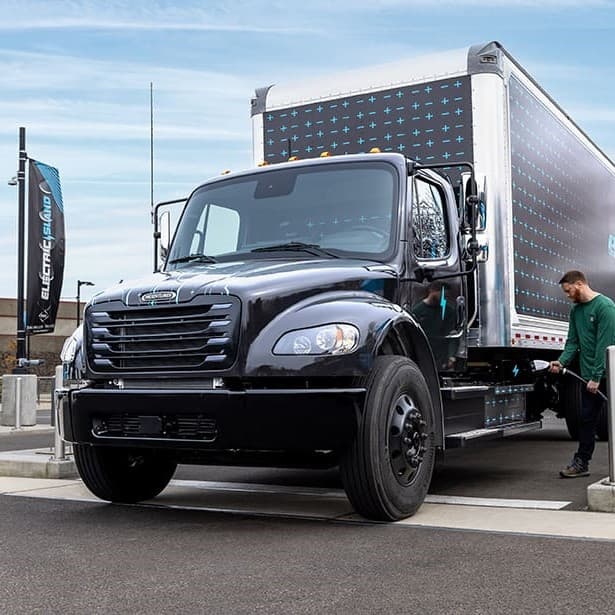
During my time at Energeia, I contributed to a research project examining how electric utilities can plan for the rapid electrification of medium- and heavy-duty vehicle fleets. The study was conducted for the Environmental Defense Fund in collaboration with Black & Veatch and explored how utilities might adapt their infrastructure planning as transportation electrification accelerates. The analysis focused on whether building grid capacity in anticipation of future demand could reduce long-term infrastructure costs compared to the traditional approach of upgrading the grid only after new load appears.
My work primarily supported the modeling and data analysis behind the utility case studies for Con Edison in New York and CenterPoint Energy in Texas. These analyses evaluated how electric truck and bus charging demand could affect distribution substations over long planning horizons. I helped develop and refine portions of the modeling framework that translated projected electric vehicle adoption into hourly electricity demand using differentiated charging profiles for light-, medium-, and heavy-duty vehicles.
Within the modeling process, I worked on evaluating how electrification scenarios would impact grid infrastructure over time. This included estimating projected load growth, analyzing changes in cost per kWh under different planning scenarios, and identifying when substations would experience thermal overload conditions. I also worked with charging demand assumptions to model how different charging behaviors, such as unmanaged charging versus managed charging programs, could influence peak demand and the timing of infrastructure upgrades.
The results of the study showed that electrification of medium- and heavy-duty vehicle fleets could significantly increase electricity demand at certain grid assets, particularly in regions with high freight activity. At the same time, the analysis suggested that proactive grid planning strategies could reduce long-term infrastructure costs by avoiding repeated upgrades as load grows over time. Across the modeled scenarios, an optimized mix of proactive and traditional planning approaches produced the lowest long-term system costs while helping utilities better prepare for future electrified transportation demand.
Working on this project gave me experience contributing to large-scale energy system modeling efforts and working with complex datasets related to electrification and grid infrastructure planning. It also provided exposure to how analytical modeling can inform real-world policy discussions around transportation electrification and long-term grid investment strategies.
City of Kenmore – Electric Vehicle Infrastructure Planning
View Full Report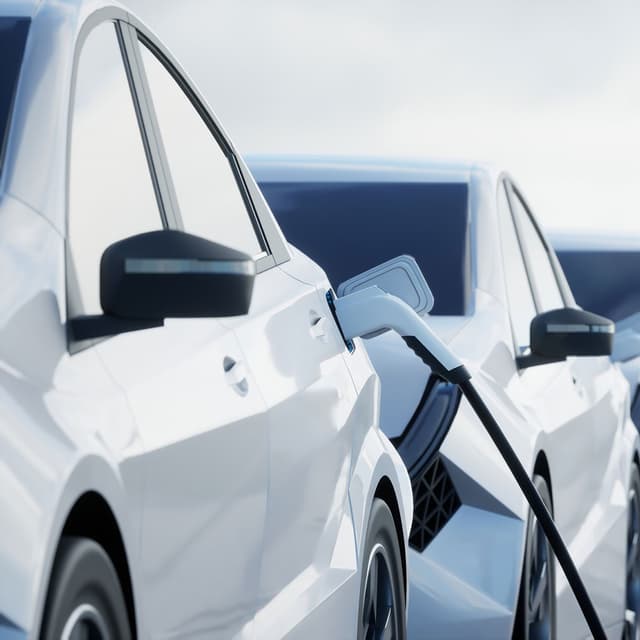
Another project I worked on at Energeia was the development of the Electric Vehicle Infrastructure Plan (EVIP) for the City of Kenmore, Washington. The goal of the project was to help the city prepare for the growth of electric vehicles by forecasting EV adoption, estimating future charging demand, and identifying the infrastructure required to support that demand. The analysis ultimately informed recommendations presented to the Kenmore City Council as part of the city's broader transportation electrification and climate planning efforts.
My work focused primarily on the modeling and analysis presented in Chapter 5 of the report, which examined EV adoption, charging demand, and infrastructure requirements. One of the key components I developed was a model estimating annual EV charging energy consumption by vehicle class, translating projected EV adoption into electricity demand forecasts through 2040. The model was built in Excel and consisted of roughly ten interconnected worksheets that structured the calculation pipeline from raw assumptions to final demand projections.
I designed this model from the ground up, including developing the input assumptions, structuring the intermediate calculations, and producing the final energy demand forecast used in the report. The model combined vehicle stock projections, annual vehicle miles traveled, and vehicle energy efficiency assumptions to estimate charging demand across passenger vehicles, light-duty trucks, medium-duty trucks, heavy-duty trucks, buses, and motorcycles. The resulting output showed that EV charging demand in Kenmore could grow from roughly 11 GWh per year today to more than 50 GWh annually by 2040, with passenger vehicles representing the majority of early demand and light-duty trucks accounting for nearly half of total charging load by the end of the forecast period.
The energy demand forecast I developed served as a key input for the next stage of analysis, where vehicle adoption and charging demand were translated into charging infrastructure requirements across the city. In addition to developing the core demand model, I also contributed significantly to the visualizations used throughout Chapter 5. This included researching input data, constructing supporting analyses, and designing many of the charts and graphics used to communicate the modeling results in the presentation delivered to the Kenmore City Council.
Working on this project gave me the opportunity to build a full analytical component of a consulting deliverable from the ground up and see the results incorporated into a real-world municipal planning effort focused on transportation electrification.
Modeling & Analytical Capabilities
Techno-Economic Modeling
Developed techno-economic models to analyze electrification and energy transition scenarios, including EV adoption, charging demand, and infrastructure impacts. Models translated technology adoption and behavioral assumptions into long-term forecasts of electricity demand, infrastructure needs, and system costs.
Typical model components included:
- EV adoption forecasting
- Charging demand estimation by vehicle class
- Energy efficiency and technology cost assumptions
- Infrastructure capacity planning scenarios
These models supported consulting for utilities and cities planning long-term energy system transitions.
Scenario Analysis & Forecasting
Built multi-scenario forecasting models to evaluate how different assumptions affect future energy demand and infrastructure investment needs. Analyses explored variations in EV adoption rates, technology costs, charging behavior, and policy conditions.
Outputs typically included:
- long-term demand forecasts (25 year horizons)
- infrastructure capacity requirements
- cost and system impact comparisons across scenarios
Scenario modeling helped decision-makers evaluate risks and tradeoffs associated with different electrification pathways.
Data Driven Analysis
Developed structured analytical models using large datasets from government, utility, and research sources. Work involved sourcing reliable data, transforming it into model inputs, and constructing calculation frameworks for transparent, reproducible forecasts.
Common data sources included:
- EIA energy datasets
- Census and demographic data
- Current inventories (population, vehicles, appliances)
- Transportation statistics
- Technology cost and electricity market data
- Appliance emissions and consumption values
When datasets exceeded Excel's limits, Python was used to preprocess and aggregate data before integrating results into modeling workflows.
Visualization & Reporting
Translated complex modeling results into clear charts, visualizations, and presentations for consulting reports and policy discussions. Visualizations communicated key insights—demand growth, infrastructure requirements, cost impacts—to technical and non-technical audiences including policymakers, utilities, and municipal stakeholders.
Deliverables typically included:
- technical modeling outputs
- presentation graphics and charts
- consulting reports and planning documents
This work supported planning and policy decisions by making analytical results accessible and actionable.
Technical Tools
Excel
Primary environment for techno-economic modeling and scenario analysis.
Typical uses:
- Multi-sheet forecasting models
- EV adoption and charging demand modeling
- Infrastructure cost modeling
- Scenario and sensitivity analysis
Used across most consulting deliverables for structured, auditable modeling.
Python
Used for preprocessing and analyzing datasets that exceed Excel's practical limits.
Typical uses:
- Data cleaning and transformation
- Templatization of common workflows
- Aggregation of large datasets
Outputs were often integrated back into Excel models or used to generate model inputs.
SQL
Used to query structured datasets and extract model inputs from relational databases.
Typical uses:
- Querying large datasets
- Storage of sensitive client utility data
- Extracting and aggregating analytical inputs
- Filtering and restructuring data for modeling workflows
Supported projects where client data was hosted in database environments such as Snowflake.
QGIS
Used for geospatial analysis and visualization when spatial datasets are required.
Typical uses:
- Spatial data exploration
- Mapping geographic datasets
- Visualizing regional energy and infrastructure data
- Joining locational data to geographic data
Applied where project scope involved geographic boundaries, site locations, or regional analysis.