
Paul HubbsEnergy Analyst
Hello, and welcome. I'm an energy analyst focused on understanding how the energy transition is reshaping electricity systems and broader infrastructure markets.
My work has involved building and applying techno-economic models to evaluate electrification pathways, technology adoption forecasting, grid reliability and long-term demand trends. I've worked with complex data to support scenario analysis, develop projections, and produce reports that inform planning and investment decisions.
This site highlights selected consulting projects, technical work, relevant experience, and ongoing analysis across the energy industry and related infrastructure sectors.
Focus areas
Experience Preview
View Full Experience
During my time at Energeia, a boutique energy consulting firm, I worked on analytical projects focused on the evolving challenges of the energy transition. My role centered on building techno-economic models and conducting data-driven analysis to support utilities, public agencies, and other organizations as they plan for electrification, infrastructure investment, and long-term energy system changes. These projects often required integrating large datasets and evaluating how emerging technologies and policies could affect future electricity demand, emissions outcomes, and infrastructure needs.
Much of my work involved developing Excel-based modeling tools and performing large-scale data analysis using Python and SQL. These models evaluated issues such as building electrification adoption, electric vehicle growth, distributed energy resources, and long-term fuel and electricity price forecasts. The analysis helped clients assess the economic and operational impacts of different energy transition scenarios and informed planning efforts related to grid infrastructure, transportation electrification, and climate policy initiatives.
I also contributed to several consulting engagements supporting utilities, cities, and nonprofit organizations. In these projects I helped develop analytical inputs for energy system simulations, coordinated modeling workstreams across project teams, and supported the development of client-facing research reports and presentations. The work provided hands-on experience applying quantitative analysis and energy system modeling to real-world planning and policy challenges.
Selected Work
EDF – Grid Planning for Vehicle Electrification
View Case Study
For a study conducted in partnership with the Environmental Defense Fund, I supported analysis evaluating how utilities should plan grid infrastructure investments to accommodate the electrification of medium- and heavy-duty vehicles (MHDVs). The project compared proactive grid investment strategies with more incremental approaches to determine how early infrastructure planning could reduce long-term costs and improve system readiness for large-scale vehicle electrification. My role involved contributing to the analytical work supporting the modeling framework used in the study and helping develop insights used to inform planning strategies for utilities preparing for rapid growth in electric freight transportation.
City of Kenmore – Electric Vehicle Infrastructure Planning
View Case Study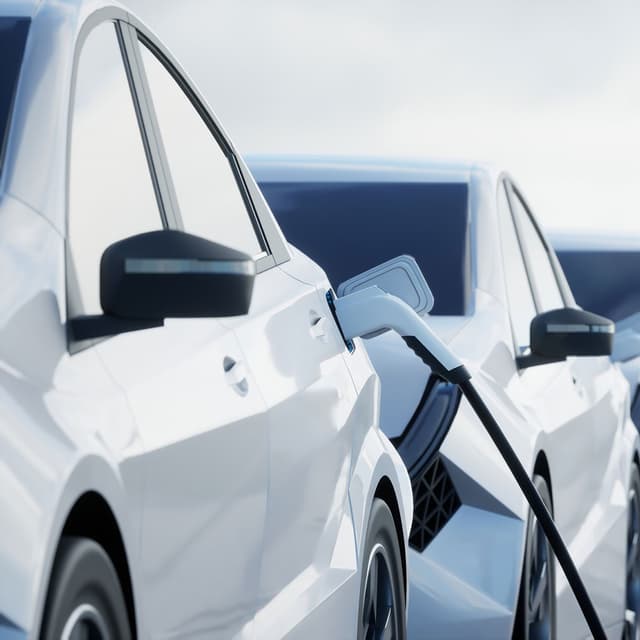
As part of a consulting engagement supporting the City of Kenmore's electric vehicle infrastructure planning efforts, I contributed to the development of analytical tools used to forecast EV adoption and estimate future charging demand across the city. The project evaluated how increasing EV adoption would translate into charging infrastructure needs and helped identify cost-effective strategies for deploying charging stations in locations that could best support future demand. My work involved supporting the modeling framework used to estimate charging demand and infrastructure requirements, helping translate transportation electrification trends into actionable planning insights for the city.
Industry Insights
View Industry Insights →This section features industry insights and research covering a range of topics across the energy industry. The articles explore trends shaping the energy transition, including electrification, energy infrastructure planning, and evolving electricity demand. Each piece reflects ongoing work to better understand the technical, economic, and policy dynamics influencing the future of energy systems.